Dynamic Grid Slots
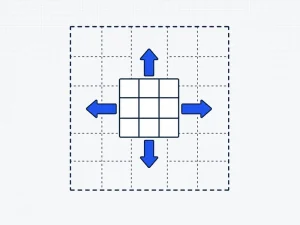
Dynamic grid slots change the playable area during a round, so rows unlock, cells open or reels extend and the number of possible wins moves with the layout.




How dynamic grids work
A dynamic grid game changes the size or shape of its playable area during a round. The change can add rows, unlock blocked cells, extend individual reels or open a second grid, and the trigger is stated in the rules. Common triggers include specific symbols, successive wins within one spin and entry into a bonus round.
The practical effect is that the number of possible wins moves with the grid. In a Ways to Win design, every added row multiplies the ways count, so a game can open at a few hundred ways and reach many thousands at full size. In cluster and counting systems a larger grid simply holds more symbols, which changes how often thresholds are met.
Dynamic grids often work alongside chain mechanics. A game can grow its grid with each Tumble & Cascading Reels step, or reserve the largest layout for Free Spins. Where growth persists between spins of a bonus, the rules should say so, because persistent growth changes what a bonus round is worth relative to the base game.
The mechanic differs from a fixed grid with special cells. A game that merely places Wild Symbols on set positions has not changed its grid, whilst a dynamic grid game changes the number of playable cells themselves. The rules make the difference clear by stating minimum and maximum layouts.
A well documented dynamic grid game states three things, namely the starting layout, the maximum layout and the exact events that move the grid between them. Those three lines let a player read the game before staking, which is the point of reading rules at all.