Wild Symbol Slots
A wild symbol substitutes for paying symbols to complete wins, with the paytable stating its exceptions, its own values and its variants.










How wild symbols work
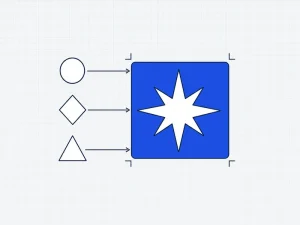
A wild symbol substitutes for other paying symbols, so a line or group that falls one symbol short can be completed by a wild landing in the right cell. The standard carve out is written into almost every paytable, which is that wilds do not substitute for Scatter Symbols or for other special symbols.
Paytables answer three questions about their wilds. The first is the substitution list, meaning which symbols the wild can stand in for. The second is whether the wild pays on its own, because some games give a line of wilds its own value, often the highest in the game. The third is where wilds can land, since many games keep them off the first reel or restrict them to a feature.
The base feature has several published variants. A wild that stays in place across spins is covered under Sticky Wilds, and one that stretches over a full reel or row is covered under Expanding Wilds. Games also attach multipliers to wilds, and the factor then applies to the wins the wild completes.
In cluster and counting systems the wild joins groups rather than lines. A wild in a Cluster Pays game typically joins every adjacent cluster at once, which makes its placement more valuable than any single substitution in a line game.
A wild is defined entirely by its exceptions. The substitution list, the exclusions and the placement rules are short lines in a paytable, and reading them is the difference between knowing the feature and assuming it.